
Strategic Planning in Kenya: Common Challenges and How Organizations Can Overcome Them
Explore common strategic planning challenges facing organizations in Kenya and practical approaches for improving stakeholder ownership, strategic focus, implementation, resource alignment, monitoring and organizational performance.

Organizations invest considerable time and resources in developing strategic plans, yet the existence of a strategic plan does not automatically lead to improved organizational performance. The greater challenge is developing a strategy that reflects institutional realities and then translating that strategy into coordinated action, resource allocation, performance monitoring and management decisions.
In Kenya, public institutions, private companies, universities, SACCOs, NGOs, schools and development organizations operate in environments shaped by changing stakeholder expectations, resource constraints, regulatory requirements, technological change, competition and evolving social and economic conditions. These realities can make both strategic planning and implementation challenging.
Understanding the most common difficulties can help organizations design stronger planning processes and develop strategies that remain useful throughout the implementation period.
1. Treating Strategic Planning as a Compliance Exercise
One of the most significant challenges arises when an organization develops a strategic plan primarily because a regulator, board, funding partner or institutional requirement expects one. In such situations, considerable attention may be given to producing the document while insufficient attention is given to how the strategy will influence actual organizational decisions.
A strategic plan should function as a management instrument. Its priorities should influence annual work plans, budgets, departmental targets, management reviews, resource allocation and performance reporting.
Practical response: Leadership should establish from the beginning how the strategic plan will be incorporated into normal planning, budgeting and performance-management processes. Strategy implementation should become part of routine management rather than a separate activity undertaken only during periodic reviews.
2. Weak Institutional and Environmental Analysis
A strategy is only as useful as the evidence informing it. Organizations can develop unrealistic priorities when strategic decisions are based primarily on assumptions, historical practices or management perceptions without sufficient analysis of institutional performance and the external operating environment.
A sound planning process should examine internal capabilities, previous performance, financial resources, human resources, operational systems, technology, stakeholder expectations and relevant external developments.
Analytical tools such as SWOT, PESTEL, stakeholder analysis, performance reviews, institutional assessments and relevant sector or market evidence can help structure this analysis.
Practical response: Organizations should establish an evidence base before defining strategic priorities. The purpose of the assessment is not simply to complete analytical templates but to identify the strategic issues that require management attention during the planning period.
3. Too Many Strategic Priorities
Organizations sometimes attempt to include nearly every operational responsibility in the strategic plan. The result can be a large number of strategic objectives, programmes and activities competing for limited resources and management attention.
When everything becomes strategic, it becomes difficult to distinguish the few issues that are genuinely critical to the organization's future direction.
Practical response: Strategic priorities should be selective. Leadership should identify the issues that have the greatest influence on achievement of the organization's mandate, institutional sustainability, service delivery, growth or long-term development.
4. Limited Stakeholder Participation
Strategic plans developed by a small group of senior managers or external consultants may overlook important operational realities and stakeholder expectations. Employees who are expected to implement the strategy may also have limited ownership when they have not participated meaningfully in its development.
Stakeholders can contribute valuable information about service-delivery challenges, institutional strengths, emerging needs, customer expectations and implementation constraints.
Practical response: Organizations should identify relevant stakeholder groups and use appropriate engagement mechanisms such as interviews, surveys, focus group discussions, departmental consultations, workshops and validation sessions. Participation should be structured so that stakeholder evidence informs strategic decisions rather than becoming consultation for its own sake.
5. Weak Connection Between Strategy and Budget
A strategic objective cannot be implemented simply because it appears in a strategic plan. Many strategic initiatives require financial resources, personnel, technology, infrastructure or other institutional capabilities.
A common implementation gap occurs when organizations approve ambitious strategic priorities without determining how those priorities will be financed.
Practical response: Strategic initiatives should be connected to realistic resource requirements. Annual budgeting and work planning should subsequently prioritize activities that contribute directly to strategic objectives. Where resources are constrained, implementation may need to be phased according to institutional priorities and available capacity.
6. Unclear Performance Indicators and Targets
Organizations may identify strong strategic objectives but struggle to determine whether those objectives are being achieved. This often happens when indicators are vague, targets are missing or performance measures focus primarily on activities rather than results.
For example, conducting a training programme is an activity. The strategic question is whether the training produced the required improvement in capability or organizational performance.
Practical response: Each strategic objective should have appropriate indicators, baselines where available, targets, responsibilities and reporting arrangements. Indicators should provide management with useful evidence about implementation progress and intended results.
7. Weak Ownership and Accountability
Implementation becomes difficult when strategic objectives do not have clearly defined institutional ownership. Activities may be delayed because departments assume that another unit is responsible, or because responsibility for monitoring progress has not been assigned.
Practical response: The implementation framework should identify responsible departments or officers for major initiatives and establish clear reporting arrangements. Senior management should periodically review implementation performance and address delays or constraints requiring organizational decisions.
8. Failure to Translate Strategy into Annual Work Plans
A five-year strategic plan operates at a different level from the organization's day-to-day activities. Without an operational bridge between long-term strategy and annual activities, strategic priorities can gradually become disconnected from normal organizational work.
Practical response: Organizations should translate strategic priorities into annual work plans with specific activities, targets, responsibilities, timelines and budgets. Departmental plans should demonstrate how their activities contribute to the broader strategic objectives.
9. Inadequate Monitoring and Strategic Review
Some organizations develop comprehensive strategic plans but monitor them only near the end of the planning period. By that time, implementation gaps may have persisted for several years without corrective action.
Monitoring should provide management with timely information about progress, performance gaps, resource constraints, emerging risks and changes in the operating environment.
Practical response: Establish periodic strategic-performance reviews supported by agreed indicators and implementation reports. Management should use these reviews to identify corrective actions and determine whether changes in circumstances require adjustments to implementation priorities.
10. Resistance to Organizational Change
Strategic plans frequently introduce new systems, structures, technologies, responsibilities or ways of working. Even technically sound initiatives can encounter implementation difficulties when organizational change is not adequately managed.
Practical response: Leadership should communicate why changes are necessary, involve affected stakeholders, identify capability gaps and provide appropriate support or training. Change management should therefore be considered part of strategy implementation rather than an unrelated activity.
11. Ignoring Emerging Risks and Changes in the Operating Environment
Organizations operate in environments that can change considerably during a multi-year strategic planning period. Economic conditions, technology, regulation, competition, stakeholder expectations and institutional risks may evolve after the strategy has been approved.
A strategic plan should provide direction without preventing an organization from responding to significant new information.
Practical response: Periodic strategic reviews should examine both implementation performance and changes in the external environment. Where circumstances materially change, management can adjust programmes, sequencing or resource allocation while maintaining appropriate governance and strategic direction.
12. Insufficient Leadership Commitment
Strategy implementation requires sustained leadership attention. When senior management treats the strategic plan as a document belonging to the planning department or consultant, implementation can lose organizational momentum.
Leadership plays an important role in communicating priorities, resolving implementation barriers, allocating resources and holding responsible units accountable for results.
Practical response: Strategic performance should form part of regular leadership and management discussions. Governance bodies and senior management should receive appropriate implementation information and use it to support oversight and decision-making.
Building a More Effective Strategic Planning System
These challenges demonstrate that effective strategic planning is not simply a document-development exercise. It is an organizational management process connecting evidence, priorities, stakeholders, resources, implementation and performance measurement.
A stronger strategic planning system therefore creates a continuous cycle:
ASSESS → PRIORITIZE → PLAN → RESOURCE → IMPLEMENT → MONITOR → REVIEW → ADAPT
Organizations can strengthen this cycle by maintaining a manageable number of strategic priorities, establishing measurable results, assigning accountability, integrating strategy with annual plans and budgets, and reviewing performance regularly.
From Strategic Intent to Organizational Results
The value of a strategic plan ultimately depends on whether it improves organizational direction and supports better decisions. Strong strategies establish priorities, but strong institutions also create the systems required to implement those priorities.
Organizations that combine evidence-based planning, meaningful stakeholder engagement, realistic resource allocation, measurable performance indicators and sustained leadership oversight are better positioned to turn strategic intent into organizational results.
For a step-by-step explanation of the complete planning process, read our practical guide to developing a strategic plan for organizations in Kenya.
Related Projects
Related Insights
Related Expertise
Explore GSC services connected to this Insight and complementary expertise that can support wider institutional outcomes.
Strategic Planning
Strategic planning consultancy for public institutions, private companies, universities, NGOs and development organizations, covering strategic plan development, review, implementation frameworks, performance indicators and institutional roadmaps.
Explore Service →
Research & Surveys
Research and survey evidence can strengthen situational analysis, stakeholder assessment and evidence-based strategic decision-making.
Explore Service →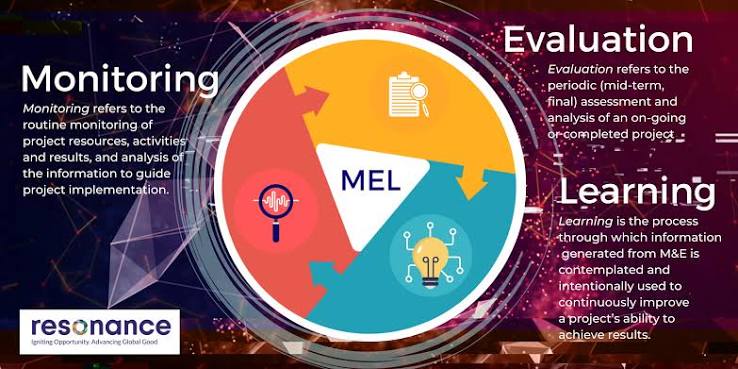
Monitoring, Evaluation & Learning (MEL)
M&E and MEL frameworks help translate strategic objectives into measurable indicators, results, performance monitoring and institutional learning.
Explore Service →
Policy Development & Institutional Frameworks
Policy and institutional framework development can support the governance, procedures and institutional arrangements required to implement strategic priorities.
Explore Service →
Business Planning & Organizational Development
Business planning and organizational development can support growth initiatives, institutional strengthening and organizational changes arising from strategic priorities.
Explore Service →
Capacity Building and Training
Capacity building helps leadership and staff develop the knowledge, skills and institutional capabilities required to implement strategy effectively.
Explore Service →