
Business Planning & Organizational Development
Supporting organizations and enterprises with business planning, business models, financial projections, investment readiness, organizational assessment, institutional strengthening and organizational development.
Service Overview
Global Signature Consultancy provides Business Planning and Organizational Development consulting services to organizations, enterprises and institutions seeking to strengthen commercial viability, organizational effectiveness and readiness for sustainable growth.
Our Business Planning services support entrepreneurs, companies, investors, institutions and project sponsors to translate business ideas, expansion opportunities and investment concepts into structured and evidence-based business plans. Depending on the assignment, this may include business-model development, market and industry analysis, operational planning, financial projections, funding requirements, risk assessment, implementation planning and investment readiness.
Our Organizational Development services support public institutions, private companies, NGOs, universities and other organizations to assess and strengthen the structures, roles, processes, coordination arrangements and institutional capabilities required to perform effectively. This may include organizational assessment, organizational design, functional review, role clarification, process improvement, institutional strengthening and change-management support.
GSC approaches both areas from an evidence-based management perspective. Business-planning assignments examine whether a proposed or existing enterprise has a coherent value proposition, viable operating model, realistic financial assumptions and practical implementation requirements. Organizational-development assignments examine whether an institution is appropriately structured, coordinated and equipped to deliver its mandate and strategic objectives.
The objective is to provide practical plans and organizational solutions that strengthen business viability, institutional effectiveness, management decision-making, operational performance and readiness for implementation, investment or organizational change.
Business Plan Development
A professional business plan translates a business idea, investment opportunity, expansion initiative or existing enterprise into a structured commercial and operational plan. It provides management, investors, lenders and other stakeholders with a clear understanding of what the business intends to achieve, how it will operate and what resources will be required.
Global Signature Consultancy supports clients to develop evidence-based business plans that integrate the business concept, market opportunity, value proposition, operating model, management arrangements, financial assumptions, risks and implementation requirements.
The business-planning process is tailored to the purpose of the assignment. A plan intended to guide internal management may require a different emphasis from one prepared to support investment, financing, expansion, partnership development or the establishment of a new enterprise.
The objective is to produce a realistic and decision-useful business plan rather than a document based primarily on optimistic assumptions.
- Business concept and objectives
- Business model and value proposition
- Market and customer analysis
- Products and services
- Operating model
- Management and organizational requirements
- Financial projections
- Implementation and business-development priorities
Business Models, Market Analysis and Commercial Viability
Business planning requires a clear understanding of how an enterprise will create value, serve customers, generate revenue, manage costs and operate sustainably within its market environment.
GSC supports organizations to examine the proposed or existing business model, target customers, customer needs, market conditions, competitors, products and services, channels, revenue sources, cost structure, operational requirements and major commercial assumptions.
The analysis helps determine whether the proposed model is coherent, where commercial risks or uncertainties exist and which assumptions require further validation. For existing enterprises, the process can also identify opportunities to strengthen the business model, improve market positioning, diversify revenue or support expansion.
Commercial analysis is used as an input into the wider business plan and management decision-making rather than as a guarantee of future business performance.
- Business model assessment
- Value proposition development
- Customer and market segmentation
- Market and industry analysis
- Competitive environment
- Revenue model
- Cost structure and operational requirements
- Commercial risks and assumptions
Financial Projections and Investment Readiness
Financial projections translate the operational assumptions of a business plan into an estimate of the financial resources, revenues, costs and cash requirements associated with the proposed business or expansion initiative.
Global Signature Consultancy supports clients to develop financial assumptions and projections based on the business model, expected sales volumes, pricing, operating requirements, staffing, capital expenditure, operating costs, financing arrangements and other relevant factors.
Depending on the assignment, projections may include revenue forecasts, operating expenses, profit and loss projections, cash-flow forecasts, capital requirements and scenario analysis. The assumptions underlying the projections are documented so that management and prospective financing partners can understand how the estimates were developed.
Investment readiness also considers whether the business proposition, management arrangements, evidence, financial requirements, risks and implementation plan are sufficiently developed to support discussions with potential investors, lenders or other financing partners.
- Financial assumptions
- Revenue projections
- Operating-cost projections
- Profit and loss projections
- Cash-flow forecasts
- Capital and financing requirements
- Financial scenario analysis
- Investment-readiness assessment
Organizational Assessment and Institutional Effectiveness
Organizational development begins with understanding how effectively an institution is currently structured and operating. Performance challenges may arise from unclear roles, fragmented responsibilities, weak coordination, inefficient processes, capability gaps or organizational arrangements that no longer reflect the institution’s mandate and operating environment.
Global Signature Consultancy supports organizations to assess structures, functions, roles, decision-making arrangements, coordination mechanisms, processes, management systems and institutional capabilities.
The assessment identifies organizational strengths, gaps, duplication, bottlenecks and opportunities for improvement. Evidence may be gathered through document review, management consultations, staff engagement, process analysis and other appropriate organizational assessment methods.
The resulting findings provide a structured basis for organizational design, institutional strengthening, process improvement and change.
- Organizational structure assessment
- Functional analysis
- Roles and responsibility review
- Institutional capability assessment
- Coordination and decision-making review
- Organizational process assessment
- Performance constraints and gaps
- Institutional-strengthening priorities
Organizational Design, Structures and Role Clarification
An effective organizational structure should support the institution’s mandate, strategic objectives, operating model and accountability requirements. Structures that have developed incrementally may create duplicated functions, unclear reporting relationships, excessive layers or gaps in responsibility.
GSC supports organizations to review and redesign organizational structures based on functions, workflows, management requirements, accountability arrangements and institutional priorities.
Organizational design may involve reviewing departments and units, clarifying functional responsibilities, defining reporting relationships, identifying coordination requirements and developing clearer roles and accountability arrangements.
The objective is not organizational restructuring for its own sake, but a practical design that enables people, functions and processes to work together more effectively.
- Organizational structure review
- Functional design
- Department and unit responsibilities
- Reporting relationships
- Role clarification
- Responsibility and accountability frameworks
- Coordination arrangements
- Proposed organizational structure
Institutional Strengthening and Organizational Development
Institutional strengthening addresses the organizational capabilities, management arrangements, processes and systems that enable an institution to perform effectively and sustain improvement over time.
Global Signature Consultancy supports organizations to translate assessment findings into practical organizational-development priorities. Depending on the assignment, these may relate to governance arrangements, management systems, internal coordination, business processes, accountability, institutional capabilities and organizational performance.
The resulting institutional-strengthening framework identifies priority improvements, responsibilities, sequencing and implementation considerations. Where identified capability gaps require structured staff development or professional training, those requirements can connect with GSC’s Capacity Building and Training service.
This distinction enables organizational development to focus on improving how the institution is designed and functions, while capacity building focuses on strengthening the knowledge and competencies required by its people.
- Institutional-strengthening priorities
- Management and governance improvements
- Organizational process improvement
- Internal coordination mechanisms
- Accountability arrangements
- Institutional capability development priorities
- Organizational performance improvement
- Institutional-strengthening roadmap
Implementation, Organizational Change and Growth Readiness
Business plans and organizational-development recommendations create value only when they can be translated into practical action. Implementation therefore requires clear priorities, responsibilities, resources, sequencing, risk management and management commitment.
For business-planning assignments, implementation may involve business establishment, market entry, operational development, financing preparation, expansion or other commercial priorities identified in the plan.
For organizational-development assignments, implementation may involve structural changes, role clarification, process improvement, new coordination arrangements, institutional-strengthening initiatives or other organizational improvements.
GSC supports clients to convert recommendations into practical implementation roadmaps, identify dependencies and change implications, establish responsibilities and define mechanisms for reviewing progress. This helps organizations move from planning and diagnosis toward implementation, organizational improvement and sustainable growth.
- Implementation priorities
- Phased implementation roadmap
- Roles and responsibilities
- Resource requirements
- Implementation dependencies
- Risk and change considerations
- Progress review arrangements
- Growth and organizational-readiness priorities
Our Methodology
- Clarify the assignment objectives, organizational context and intended decisions or outcomes
- Review relevant business, institutional, financial, operational and strategic information
- Engage management and relevant stakeholders to understand priorities, assumptions, constraints and expectations
- Assess the existing business model, organizational arrangements or institutional environment according to the assignment
- Conduct relevant market, operational, financial or organizational analysis
- Identify viability issues, organizational gaps, performance constraints, risks and improvement opportunities
- Develop the proposed business model, organizational design or institutional-strengthening direction
- Define operational, financial, structural, process and resource requirements as applicable
- Develop financial projections and investment requirements for business-planning assignments where required
- Define organizational structures, functions, roles and coordination arrangements for organizational-development assignments where required
- Assess implementation requirements, risks, dependencies and change implications
- Develop the business plan, organizational-development framework or institutional-strengthening roadmap
- Validate key findings, assumptions and recommendations with management and relevant stakeholders
- Finalize the recommended plan, implementation priorities and management presentation
Benefits to Your Organization
- Clearer understanding of business viability and organizational requirements
- Stronger business models and commercial planning
- More realistic financial assumptions and investment requirements
- Improved readiness for investment, financing or business expansion
- Better understanding of markets, customers, operations and commercial risks
- Clearer organizational structures, functions, roles and accountability
- Improved alignment between organizational structure and institutional objectives
- Identification of organizational gaps, duplication and performance constraints
- Improved coordination and organizational effectiveness
- Stronger institutional systems and management arrangements
- Better preparation for organizational growth and change
- Clearer implementation priorities and resource requirements
- Evidence-based recommendations for management decision-making
- Practical roadmaps for business development or institutional strengthening
Typical Deliverables
- Business Planning or Organizational Development Inception Report and Work Plan
- Business and Institutional Situation Assessment
- Market and Industry Analysis where applicable
- Business Model and Value Proposition
- Business Plan
- Operational Plan
- Marketing and Market-Entry Framework where applicable
- Financial Assumptions and Financial Model
- Revenue, Cost and Cash-Flow Projections
- Investment and Financing Requirements
- Business Risk Assessment
- Investment Readiness Assessment where applicable
- Organizational Assessment Report
- Organizational Structure and Design Recommendations
- Functional and Role Review
- Roles and Responsibilities Framework
- Business Process Improvement Recommendations
- Institutional Strengthening Framework
- Organizational Development Roadmap
- Change and Implementation Framework
- Management Recommendations
- Stakeholder Validation Report
- Executive and Management Presentation
Related Expertise
Explore complementary GSC services that can strengthen this assignment and support wider institutional outcomes.
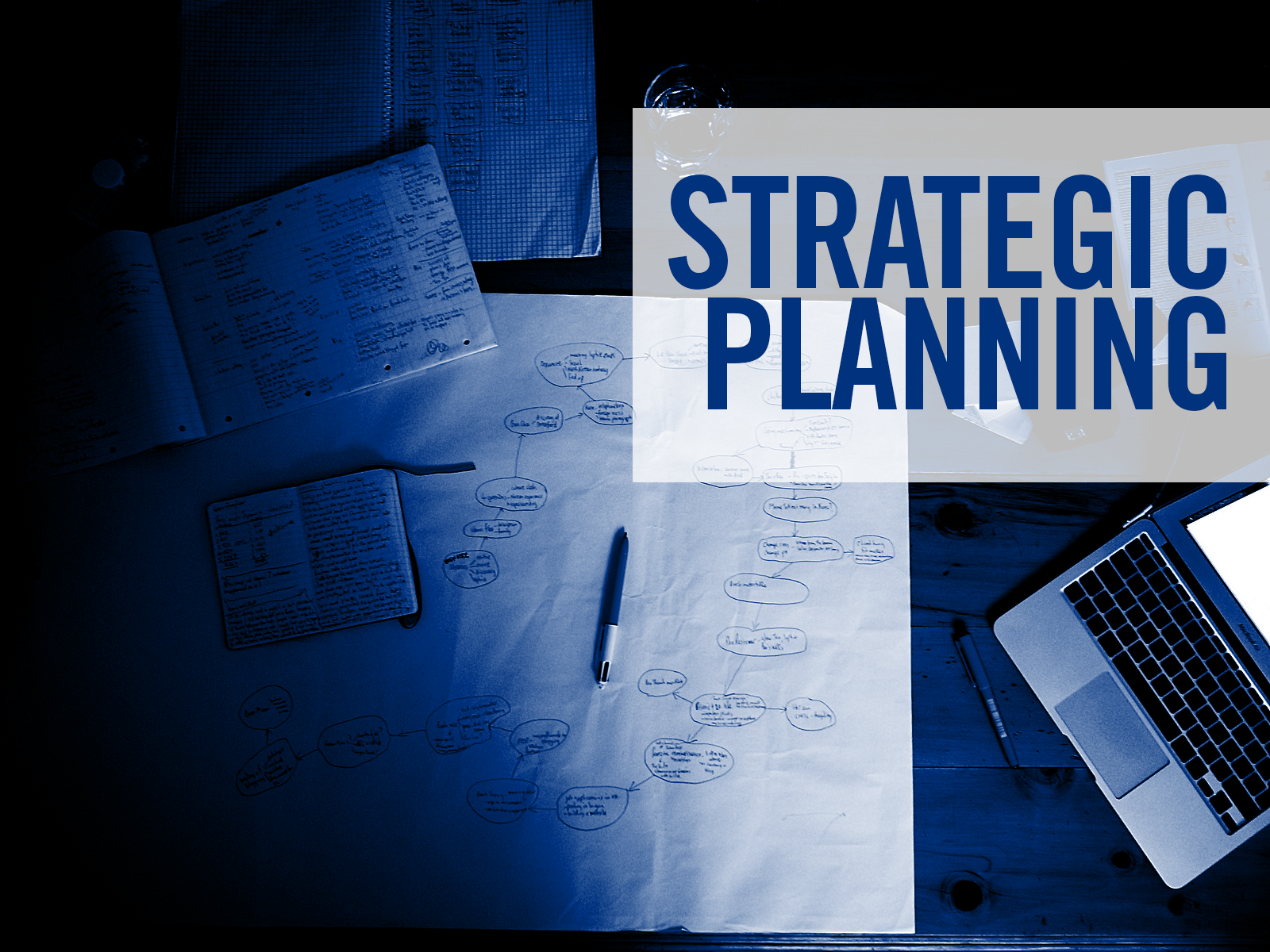




Related Consultancy Engagements
Explore selected projects connected to this service area.

National Council for Children’s Services (NCCS) Training Needs Assessment & Capacity Development Framework
Global Signature Consultancy supported the National Council for Children’s Services (NCCS) in undertaking a comprehensive Training Need...
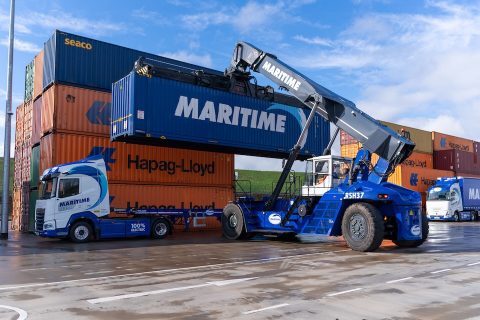
FOCUS Container Freight Station Strategic Plan 2027–2031
Global Signature Consultancy is supporting FOCUS Container Freight Station in the development of its Strategic Plan 2027–2031 through a...

National Council for Children's Services Workforce Analysis
Conducted a comprehensive workforce analysis to determine staffing requirements, workload distribution, competency gaps, organizational...
Frequently Asked Questions
Answers to common questions about Business Planning & Organizational Development.
What does a business plan consultant do?
What should a professional business plan include?
What is the difference between a business plan and a strategic plan?
What are financial projections in a business plan?
What does an organizational development consultant do?
What is an organizational assessment?
What is institutional strengthening?
What is the difference between organizational development and capacity building?
Ready to Strengthen Your Business or Organization?
Discuss your business plan, financial projections, investment readiness, organizational assessment, organizational design or institutional-strengthening requirements with Global Signature Consultancy.
Discuss Your Business Planning or Organizational Development Requirements