
Strategic Planning
Strategic planning consultancy for public institutions, private companies, universities, NGOs and development organizations, covering strategic plan development, review, implementation frameworks, performance indicators and institutional roadmaps.
Service Overview
Global Signature Consultancy provides strategic planning consultancy and strategic plan development services for public institutions, private companies, universities, NGOs, development organizations and other institutions seeking clear strategic direction and measurable results.
We support the complete strategic planning lifecycle—from reviewing institutional mandates and previous plans to conducting situational analysis, engaging stakeholders, defining strategic priorities, developing goals and performance indicators, preparing implementation frameworks and facilitating validation.
Our approach combines evidence, stakeholder participation and practical implementation planning. Each strategic plan is tailored to the organization’s mandate, operating environment, institutional capacity, resource realities and long-term aspirations rather than relying on generic planning templates.
GSC also supports organizations that already have strategic plans but need an independent strategic plan review, evaluation or update. This may include assessment of implementation performance, emerging internal and external issues, strategic priorities, institutional risks, performance indicators and lessons that should inform the next planning cycle.
The result is a practical institutional roadmap that connects strategic direction with implementation responsibilities, measurable outcomes, resource priorities, accountability and continuous performance monitoring.
Strategic Planning Consultancy Services
Global Signature Consultancy provides strategic planning consultancy for public institutions, private companies, universities, NGOs, development organizations and other institutions seeking clear strategic direction, stronger performance and sustainable organizational growth.
Our strategic planning support is designed around the organization’s mandate, operating environment, institutional capacity, stakeholder expectations and long-term aspirations. Rather than relying on generic planning templates, we develop evidence-based and practical strategies that connect institutional priorities with implementation responsibilities, measurable outcomes, resource requirements and accountability.
GSC can support the complete strategic planning lifecycle, from reviewing an existing strategic plan and conducting institutional assessment to stakeholder engagement, strategy formulation, validation, implementation planning and periodic performance review.
Strategic Plan Development
Strategic plan development provides an organization with a structured roadmap for translating its mandate, vision and long-term aspirations into clear strategic priorities, goals, objectives, strategies and measurable results.
GSC facilitates the strategic plan development process through document review, institutional assessment, stakeholder consultation, environmental analysis, strategic issue identification, priority setting and development of implementation and performance frameworks.
The process is participatory and evidence-based so that leadership, staff, governing bodies and relevant stakeholders contribute to the strategic direction and understand their respective roles in implementation.
- Institutional mandate and strategic document review
- Internal and external environmental analysis
- Stakeholder engagement and consultation
- Strategic issues and priority setting
- Vision, mission and core values review
- Strategic themes, goals and objectives
- Key Performance Indicators and performance targets
- Implementation, accountability and resource framework
- Monitoring, evaluation and strategic risk framework
- Stakeholder validation and strategic plan finalization
Strategic Plan Review and Evaluation
Organizations with an existing strategic plan may require an independent review to determine the level of implementation, identify achievements and gaps, assess the continued relevance of strategic priorities and generate lessons for the next planning cycle.
GSC supports strategic plan review and evaluation by examining implementation performance, institutional achievements, emerging challenges, performance indicators, resource utilization, changes in the operating environment and stakeholder expectations.
The review helps management and governing bodies determine what should be retained, revised, strengthened or replaced when updating an existing strategic plan or preparing a new one.
- Strategic plan implementation assessment
- Achievements and performance against planned targets
- Strategic objectives and priorities review
- Performance indicator analysis
- Implementation gaps and constraints
- Emerging institutional and environmental issues
- Stakeholder feedback and lessons learned
- Recommendations for the next planning cycle
Situational Analysis and Institutional Assessment
Effective strategic planning requires a clear understanding of the organization’s current position and the environment in which it operates. GSC undertakes structured situational analysis to identify internal capabilities, institutional challenges, external opportunities, emerging risks and factors likely to influence future performance.
Depending on the organization and assignment, the assessment may examine governance, organizational capacity, financial and operational performance, service delivery, customers and stakeholders, technology, human resources, policy and regulatory factors, partnerships, infrastructure and wider political, economic, social, technological and environmental conditions.
The findings provide the evidence base for identifying strategic issues and determining realistic institutional priorities.
- SWOT and PESTEL analysis
- Institutional capacity and capability assessment
- Stakeholder analysis
- Performance and trend analysis
- Policy and regulatory review
- Strategic risks and opportunities
Stakeholder Consultation and Strategic Planning Facilitation
Stakeholder participation strengthens the quality, relevance and ownership of a strategic plan. GSC facilitates structured consultation with leadership, staff, governing bodies, customers, partners and other relevant stakeholders to obtain evidence, perspectives and expectations that should inform institutional strategy.
Engagement methods are selected according to the nature of the assignment and may include leadership interviews, staff consultations, stakeholder surveys, focus group discussions, strategic planning workshops and validation sessions.
The objective is not simply to collect opinions, but to translate stakeholder evidence into strategic issues, priorities, outcomes and implementation considerations.
- Leadership and management consultations
- Staff and governing-body engagement
- Customer and beneficiary consultation
- Partner and stakeholder engagement
- Strategic planning and priority-setting workshops
- Strategic plan validation
Strategic Priorities, Goals, Outcomes and KPIs
A strategic plan becomes actionable when broad institutional aspirations are translated into clearly defined priorities, goals, objectives, expected outcomes and measurable performance indicators.
GSC supports organizations to establish a coherent results structure linking strategic themes to institutional outcomes, strategies, activities, responsibilities and Key Performance Indicators. Indicators are developed to support management accountability and provide a practical basis for monitoring progress throughout the implementation period.
Where appropriate, the strategic framework may incorporate a Balanced Scorecard, results framework or other performance-management approach suited to the institution.
- Strategic themes and goals
- Strategic objectives and expected outcomes
- Strategies and priority interventions
- Key Performance Indicators and targets
- Balanced Scorecard or results framework where appropriate
- Institutional accountability measures
Strategic Plan Implementation and Performance Monitoring
Developing a strategic plan is only the beginning. Effective strategy requires implementation arrangements that clarify responsibilities, timelines, resource requirements, performance measures and mechanisms for management review.
GSC supports organizations to translate strategic priorities into practical implementation matrices and institutional roadmaps. This includes assigning responsibilities, establishing performance indicators and targets, identifying resource requirements, integrating strategic risks and defining monitoring and reporting arrangements.
Where required, we also support strategy communication, implementation reviews and periodic performance assessment so that management can identify implementation gaps early and take corrective action.
- Strategic plan implementation matrix
- Responsibilities and accountability
- Implementation timelines and resource requirements
- Performance indicators and targets
- Monitoring and management reporting
- Strategic risk monitoring
- Periodic implementation review and corrective action
- Strategy communication and institutional alignment
Our Methodology
- Review the institution’s mandate, legal and policy environment, existing strategic documents, previous strategic plan and relevant performance information
- Prepare the inception approach, strategic planning tools, stakeholder engagement framework and assignment work plan
- Engage leadership, staff, governing bodies, customers, partners and other relevant stakeholders
- Conduct internal and external situational analysis using appropriate tools including SWOT, PESTEL, institutional assessment and stakeholder analysis
- Identify strategic issues, emerging opportunities, institutional challenges and priority areas requiring strategic attention
- Review or formulate the institution’s vision, mission, core values and overall strategic direction
- Develop strategic themes, goals, objectives, expected outcomes, strategies and key performance indicators
- Prepare the implementation matrix, responsibilities, timelines, resource requirements and institutional accountability arrangements
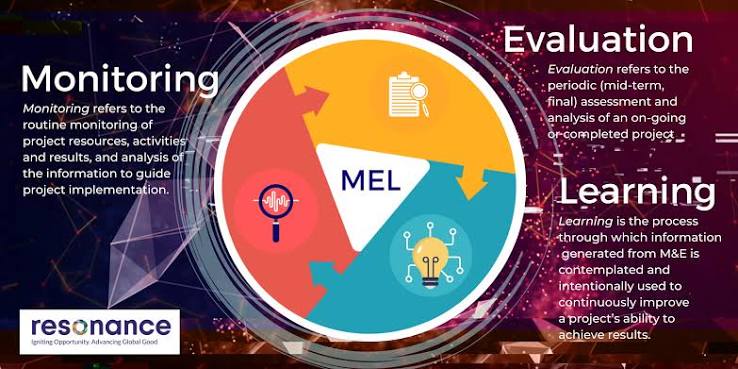
- Develop the results, monitoring, evaluation and learning framework together with strategic risk and performance management arrangements
- Facilitate stakeholder validation, incorporate feedback and strengthen institutional ownership of the strategic plan
- Finalize the strategic plan, executive presentation and implementation roadmap
- Support strategy communication, implementation and periodic performance review where required
Benefits to Your Organization
- Clear and evidence-based long-term strategic direction
- Greater alignment between institutional mandate, priorities, resources and activities
- Stronger leadership, staff and stakeholder ownership of strategic priorities
- Clearly defined strategic goals, outcomes and measurable performance indicators
- Improved prioritization and allocation of organizational resources
- Stronger accountability through defined responsibilities and implementation arrangements
- Better monitoring of strategy implementation and organizational performance
- Improved ability to respond to changing political, economic, social, technological, environmental and institutional conditions
- Stronger connection between strategy, budgeting, operational planning and performance management
- Improved organizational resilience, sustainability and long-term institutional effectiveness
Typical Deliverables
- Inception Report and Strategic Planning Work Plan
- Strategic Planning and Stakeholder Consultation Tools
- Document Review and Institutional Assessment Report
- Stakeholder Mapping and Engagement Report
- Situational and Environmental Analysis Report
- SWOT and PESTEL Analysis
- Strategic Issues and Priority Areas
- Reviewed or Developed Vision, Mission and Core Values
- Strategic Themes, Goals, Objectives and Expected Outcomes
- Key Performance Indicators and Performance Measures
- Draft Strategic Plan
- Balanced Scorecard where applicable
- Results Framework
- Strategic Plan Implementation Matrix
- Resource Requirements and Implementation Roadmap
- Monitoring, Evaluation and Learning Framework
- Strategic Risk Management Framework
- Stakeholder Validation Workshop and Validation Report
- Final Strategic Plan
- Executive and Management Presentation
- Strategy Communication and Implementation Roadmap
Related Expertise
Explore complementary GSC services that can strengthen this assignment and support wider institutional outcomes.



Related Consultancy Engagements
Explore selected projects connected to this service area.

FOCUS Container Freight Station Strategic Plan 2027–2031
Global Signature Consultancy is supporting FOCUS Container Freight Station in the development of its Strategic Plan 2027–2031 through a...

National Council for Children's Services Strategic Plan 2023-2027
Supported the preparation of the National Council for Children's Services Strategic Plan to strengthen child protection, institutional...

GDC SACCO Strategic Plan 2026-2030
Facilitated the development of the SACCO's five-year Strategic Plan focusing on financial sustainability, governance, member value crea...
Frequently Asked Questions
Answers to common questions about Strategic Planning.
What does a strategic planning consultant do?
What should an institutional strategic plan include?
How is a strategic plan developed?
How long does strategic plan development take?
When should an organization review its strategic plan?
What is the difference between a strategic plan and a business plan?
How is a strategic plan implemented and monitored?
Ready to Strengthen Your Organization’s Strategic Direction?
Discuss your strategic planning, strategic plan development, review or implementation requirements with Global Signature Consultancy.
Discuss Your Strategic Planning Requirements