
Capacity Building and Training
Strengthening institutional and professional capability through capacity needs assessment, customized training, Training of Trainers, workshop facilitation and practical learning programmes.
Service Overview
Global Signature Consultancy provides capacity building and professional training services designed to strengthen the knowledge, skills and practical capabilities required by organizations, teams and professionals to perform effectively.
We support public institutions, private organizations, NGOs, universities, professional bodies and development programmes with capacity needs assessment, training needs assessment, customized training programmes, Training of Trainers, workshops, facilitation and post-training evaluation.
Our approach begins by identifying the performance context, target participants, competency requirements, existing capability gaps and expected learning outcomes. Training content and delivery methods are then designed around the identified needs rather than relying on generic programmes.
Capacity building may support areas such as strategic planning, governance, management, research, monitoring and evaluation, data analytics, artificial intelligence, digital transformation, business continuity, organizational development and other professional or institutional priorities where relevant expertise is available.
Where an organization requires specialist consultancy rather than training, the assignment is addressed through the relevant GSC service. Capacity Building and Training focuses specifically on developing knowledge, skills, competencies and the ability to apply them in practice.
The objective is to provide practical learning interventions that strengthen individual and institutional capability while supporting improved performance, knowledge transfer and sustainable application of learning.
Capacity Building and Professional Training Services
Capacity building goes beyond delivering a one-time training session. It focuses on strengthening the knowledge, skills and practical capabilities that individuals, teams and institutions need to perform effectively and respond to changing organizational requirements.
Global Signature Consultancy provides customized capacity-building and professional training interventions for public institutions, private organizations, NGOs, universities, professional bodies and development programmes.
Assignments are designed around the organization’s objectives, participant profiles, competency requirements and expected learning outcomes. Depending on the need, an intervention may combine structured training, facilitated workshops, practical exercises, demonstrations, case applications, peer learning and follow-up support.
The objective is to provide relevant and practical learning experiences that participants can apply within their professional and institutional environments.
- Institutional capacity building
- Professional training
- Customized learning programmes
- Management and professional development
- Practical workshops
- Facilitated learning
- Case-based learning
- Post-training support
Capacity Needs Assessment and Training Needs Assessment
Effective capacity building begins with understanding what capabilities are required, what capabilities currently exist and where meaningful gaps affect individual or organizational performance.
GSC supports capacity needs assessment and training needs assessment to identify priority competency gaps, target participant groups, learning requirements and appropriate development interventions.
Assessment may consider organizational objectives, functions, roles, expected competencies, current knowledge and skills, performance challenges, stakeholder perspectives and existing development initiatives.
The findings provide an evidence-based foundation for determining training priorities, learning objectives, participant groups, programme content and appropriate capacity-building approaches.
- Capacity needs assessment
- Training needs assessment
- Competency gap identification
- Participant needs analysis
- Learning priority identification
- Role and performance review
- Training requirement prioritization
- Capacity development recommendations
Customized Training Programme Design
Training is most useful when its content reflects the actual responsibilities, challenges and learning needs of the intended participants. Generic training programmes may not adequately address the institutional context or expected workplace application.
GSC develops customized training programmes based on identified learning needs, participant profiles, expected competencies and organizational objectives.
Programme design may include learning objectives, modules, session structure, facilitator materials, participant resources, practical exercises, case studies and appropriate assessment methods.
Training content can draw on GSC’s specialist areas of expertise while maintaining a clear distinction between professional training and the underlying consultancy service.
- Learning objectives
- Customized training modules
- Session planning
- Participant materials
- Facilitator materials
- Practical exercises
- Case studies
- Learning assessment
Training of Trainers and Knowledge Transfer
Training of Trainers can help organizations develop internal capability to transfer knowledge, facilitate learning and sustain competency development beyond an external training assignment.
GSC supports Training of Trainers programmes designed to strengthen participants’ understanding of the subject matter as well as their ability to communicate, facilitate and reinforce learning with others.
Depending on the assignment, participants may work with training materials, facilitation approaches, practical exercises, participant engagement techniques and methods for assessing learning.
The objective is to strengthen internal knowledge-transfer capability and reduce dependence on repeated external delivery where an organization intends to maintain its own continuing learning programme.
- Training of Trainers
- Facilitation skills
- Knowledge transfer
- Training delivery techniques
- Participant engagement
- Practical learning methods
- Training materials
- Internal learning capability
Workshop Facilitation and Practical Learning
Professional learning is strengthened when participants can discuss challenges, apply concepts, practise techniques and relate new knowledge to their actual working environment.
GSC facilitates workshops and practical learning sessions using appropriate combinations of presentations, guided discussions, group work, exercises, demonstrations, case studies and participant reflection.
The facilitation approach is adapted to the subject, participant profile, available time and intended learning outcomes. Where appropriate, organizational examples and realistic scenarios are incorporated to make the learning more relevant to participants.
Workshop facilitation may form part of a wider capacity-building programme or be delivered as a focused intervention addressing a defined organizational learning requirement.
- Professional workshop facilitation
- Interactive learning
- Group exercises
- Case applications
- Practical demonstrations
- Guided discussions
- Participant engagement
- Applied learning
Training Evaluation and Post-Training Learning
Training should be evaluated to understand participant experience, learning achievement and areas requiring further reinforcement. Evaluation also helps organizations improve future capacity-building interventions.
GSC incorporates appropriate training evaluation methods according to the objectives and scale of the assignment. These may include participant feedback, knowledge checks, practical exercises, facilitator observations and other agreed assessment approaches.
Evaluation findings can identify areas of strong understanding, remaining learning needs and opportunities for follow-up support.
Where required, post-training recommendations may propose reinforcement activities, additional learning, coaching, internal knowledge sharing or other practical actions that support continued application of learning.
- Participant feedback
- Learning assessment
- Knowledge checks
- Practical assessment
- Training evaluation
- Learning-gap identification
- Post-training recommendations
- Follow-up learning support
Our Methodology
- Clarify the organizational context, capacity-building objectives and target participants
- Identify required competencies, performance expectations and learning priorities
- Conduct a capacity needs assessment or training needs assessment where required
- Review existing knowledge, skills and identified capability gaps
- Define clear learning objectives and expected outcomes
- Develop the training programme, modules and delivery approach
- Prepare customized training materials and practical exercises
- Select appropriate facilitation and adult-learning methods
- Validate the programme with the client where required
- Deliver the training, workshop or capacity-building intervention
- Facilitate practical exercises, discussions, demonstrations and case applications
- Assess participant understanding and learning during delivery
- Collect participant feedback and training evaluation information
- Identify areas requiring reinforcement or follow-up
- Prepare training documentation and completion reporting
- Provide agreed post-training follow-up or learning support where required
Benefits to Your Organization
- Training aligned with identified organizational and participant needs
- Improved professional knowledge and practical skills
- Stronger individual and institutional capability
- Better understanding of relevant concepts, tools and practices
- Improved ability to apply learning within the workplace
- More consistent approaches across teams and departments
- Greater confidence in performing relevant professional responsibilities
- Improved knowledge sharing within the organization
- Stronger internal capability through Training of Trainers where appropriate
- Better alignment between competency development and organizational priorities
- Practical learning supported by exercises and real-world applications
- Improved ability to identify and address future capacity gaps
- Training effectiveness supported by participant assessment and feedback
- Greater potential for sustained application of acquired knowledge and skills
Typical Deliverables
- Capacity Building Inception Report and Work Plan
- Capacity Needs Assessment where required
- Training Needs Assessment where required
- Participant and Competency Profile
- Learning Objectives and Expected Outcomes
- Customized Training Programme
- Training Agenda
- Training Modules
- Facilitator Materials
- Participant Training Materials
- Presentation Materials
- Practical Exercises and Case Studies
- Training of Trainers Materials where applicable
- Participant Assessment Tools where required
- Training Evaluation Tools
- Attendance and Participation Records where required
- Training Delivery
- Workshop Facilitation
- Training Evaluation Summary
- Capacity Building Report
- Post-Training Recommendations
- Follow-Up Learning Support Plan where required
Related Expertise
Explore complementary GSC services that can strengthen this assignment and support wider institutional outcomes.



Related Consultancy Engagements
Explore selected projects connected to this service area.

National Council for Children’s Services (NCCS) Training Needs Assessment & Capacity Development Framework
Global Signature Consultancy supported the National Council for Children’s Services (NCCS) in undertaking a comprehensive Training Need...
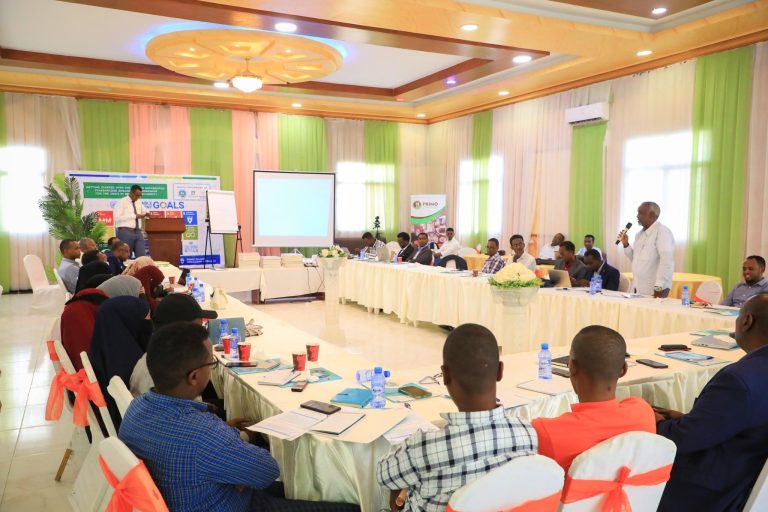
Universities Research Management & Academic Leadership Programme
Facilitated professional development programmes for university academic leaders focusing on research management, grant proposal develop...
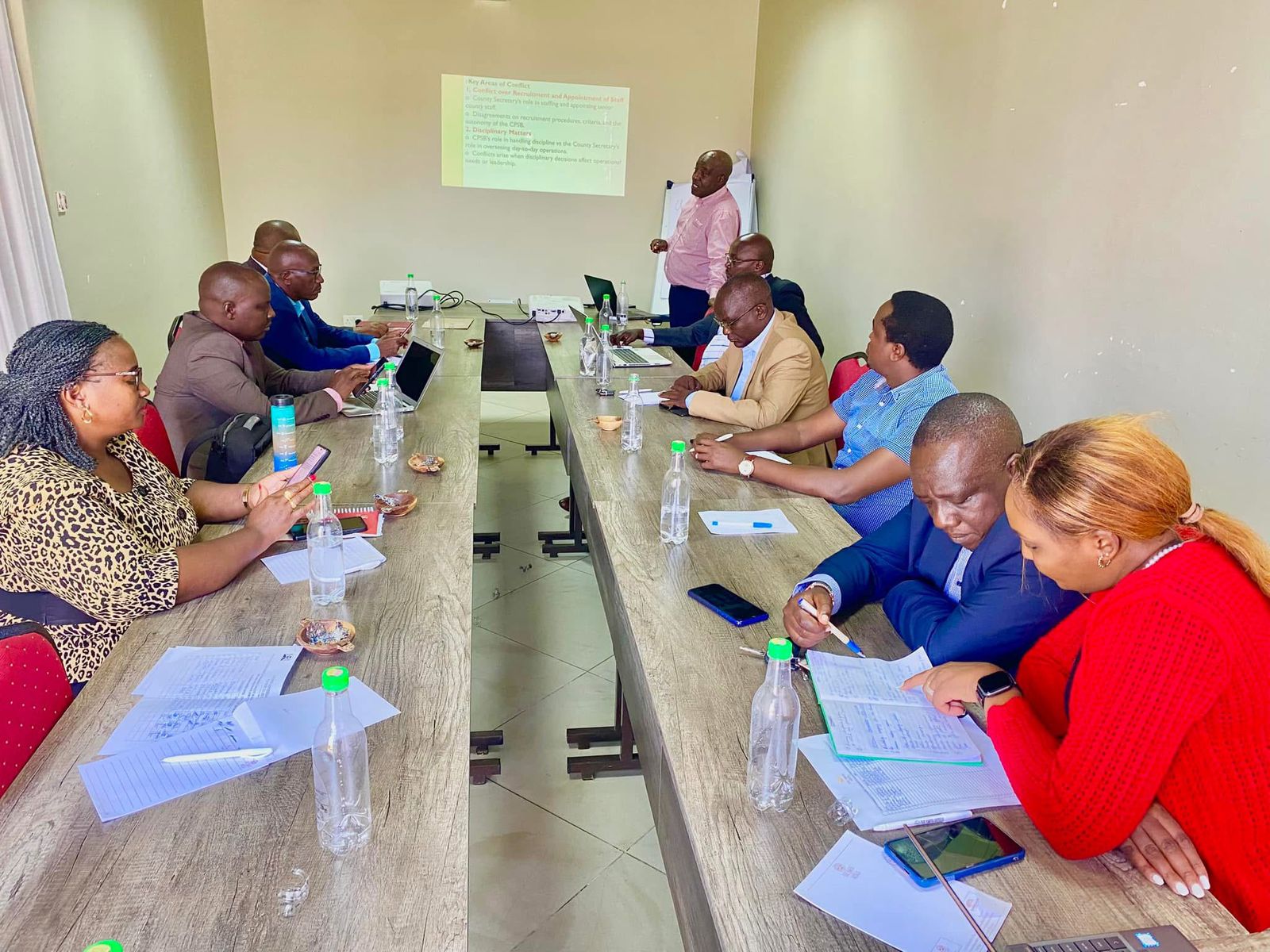
County Governments Public Financial Management & Governance Training
Facilitated professional training programmes for county government officials on Public Financial Management (PFM), governance, budgetin...
Frequently Asked Questions
Answers to common questions about Capacity Building and Training.
What is capacity building?
What is the difference between capacity building and training?
What is a Training Needs Assessment?
Does GSC provide customized training programmes?
What is Training of Trainers?
How does GSC evaluate training effectiveness?
What subjects can GSC provide training on?
Ready to Strengthen Your Organization’s Capabilities?
Discuss your capacity needs assessment, customized training, Training of Trainers, workshop facilitation or professional development requirements with Global Signature Consultancy.
Discuss Your Capacity Building or Training Requirements