
How to Develop a Strategic Plan: A Practical Guide for Organizations in Kenya
A practical guide to developing an effective organizational strategic plan, from institutional assessment and stakeholder engagement to strategic priorities, implementation, monitoring and performance review.

Developing an Effective Strategic Plan
A strategic plan provides an organization with a structured framework for defining its direction, establishing priorities, allocating resources and measuring progress. An effective planning process should connect the organization's mandate and operating environment with clear strategic objectives, measurable results and practical implementation arrangements.
For organizations in Kenya, strategic planning is particularly valuable when leadership needs to respond to changing stakeholder expectations, resource constraints, institutional reforms, technological change, emerging risks and evolving service-delivery requirements. The planning process should therefore go beyond producing a document and establish a practical framework for organizational decision-making and performance management.
Key Stages in the Strategic Planning Process
Although the exact methodology should reflect the organization and its context, a comprehensive strategic planning process normally includes several interconnected stages.
- Preparation and inception: Clarify the planning scope, methodology, governance arrangements, stakeholders, timelines and expected outputs.
- Institutional assessment: Review the organization's mandate, previous performance, internal capabilities, resources, systems and operational challenges.
- Environmental analysis: Examine external trends, opportunities, risks and stakeholder expectations that may affect the organization.
- Strategic direction: Review or establish the vision, mission, values and long-term direction of the organization.
- Strategic priorities: Translate assessment findings into a focused set of strategic issues, themes, objectives and intended results.
- Implementation planning: Define initiatives, responsibilities, indicators, targets, timelines and resource requirements.
- Monitoring and review: Establish mechanisms for tracking implementation, measuring performance, reporting results and adapting the strategy when circumstances change.
Institutional and Environmental Assessment
Strategic planning should begin with evidence. Before determining future priorities, an organization needs to understand its current performance, institutional capabilities and operating environment.
Internal assessment may examine governance, organizational structure, human resources, financial capacity, operational processes, technology, service delivery and previous strategic-plan performance. External analysis may consider economic, social, technological, regulatory, political and sector developments that could influence the organization.
Tools such as SWOT analysis, PESTEL analysis, stakeholder analysis, performance reviews and institutional capacity assessments can help organize this evidence. However, these tools should support analysis rather than become an end in themselves. The important outcome is a clear understanding of the strategic issues requiring management attention.
Why Stakeholder Engagement Matters
Strategic planning should not be treated solely as a management or consultancy exercise. Employees, leadership, customers, partners and other relevant stakeholders can provide important evidence about organizational performance, emerging needs, operational constraints and future opportunities.
Structured stakeholder engagement can also strengthen ownership of the resulting strategy and improve the connection between strategic priorities and implementation. Depending on the assignment, engagement may include interviews, surveys, focus group discussions, workshops, consultations and validation sessions.
Defining Strategic Priorities and Objectives
One of the most important stages is converting assessment findings into a manageable set of strategic priorities. An organization should avoid attempting to classify every operational activity as a strategic priority.
Strategic priorities should address the most significant issues affecting achievement of the organization's mandate and future direction. Each priority should subsequently be translated into clear strategic objectives, intended results and appropriate performance measures.
This creates a logical connection between the evidence identified during assessment and the actions proposed in the strategic plan.
From Strategic Plan to Implementation
The quality of a strategic plan is ultimately demonstrated through implementation. Strategic objectives should therefore be connected to measurable indicators, responsible units, realistic timelines, resource requirements and regular performance reviews.
An implementation matrix can translate the strategy into specific programmes, activities, indicators, targets, responsibilities, timelines and indicative resource requirements. Annual work plans and budgets can then operationalize the longer-term strategy.
This creates a management framework through which leadership can monitor progress, identify implementation gaps and make evidence-based adjustments throughout the planning period.
Monitoring, Evaluation and Strategic Review
Monitoring and evaluation should be designed as part of the strategic plan rather than added after implementation begins. Appropriate indicators and targets allow management to determine whether activities are being implemented and whether strategic objectives are producing the intended results.
Regular performance reviews can examine progress against targets, implementation constraints, emerging risks and changes in the operating environment. Where significant changes occur, management may need to adjust implementation approaches while preserving the organization's overall strategic direction.
Common Strategic Planning Challenges
Organizations can encounter several difficulties during strategic planning and implementation. These include developing too many priorities, relying on weak evidence, limited stakeholder participation, unclear performance indicators, unrealistic targets, inadequate resource alignment and weak monitoring arrangements.
Another common challenge is treating the strategic plan as a document produced for compliance rather than as an active management instrument. A useful strategy should influence budgeting, annual planning, management reporting, institutional performance discussions and organizational decision-making.
Building a Strategy That Can Be Implemented
An effective strategic plan should provide more than a statement of organizational aspirations. It should establish a clear relationship between institutional evidence, strategic priorities, measurable objectives, implementation responsibilities, resources and performance monitoring.
Organizations that combine rigorous analysis with meaningful stakeholder participation and disciplined implementation arrangements are better positioned to use strategic planning as an ongoing management and decision-support process.
Related Insights
Related Expertise
Explore GSC services connected to this Insight and complementary expertise that can support wider institutional outcomes.
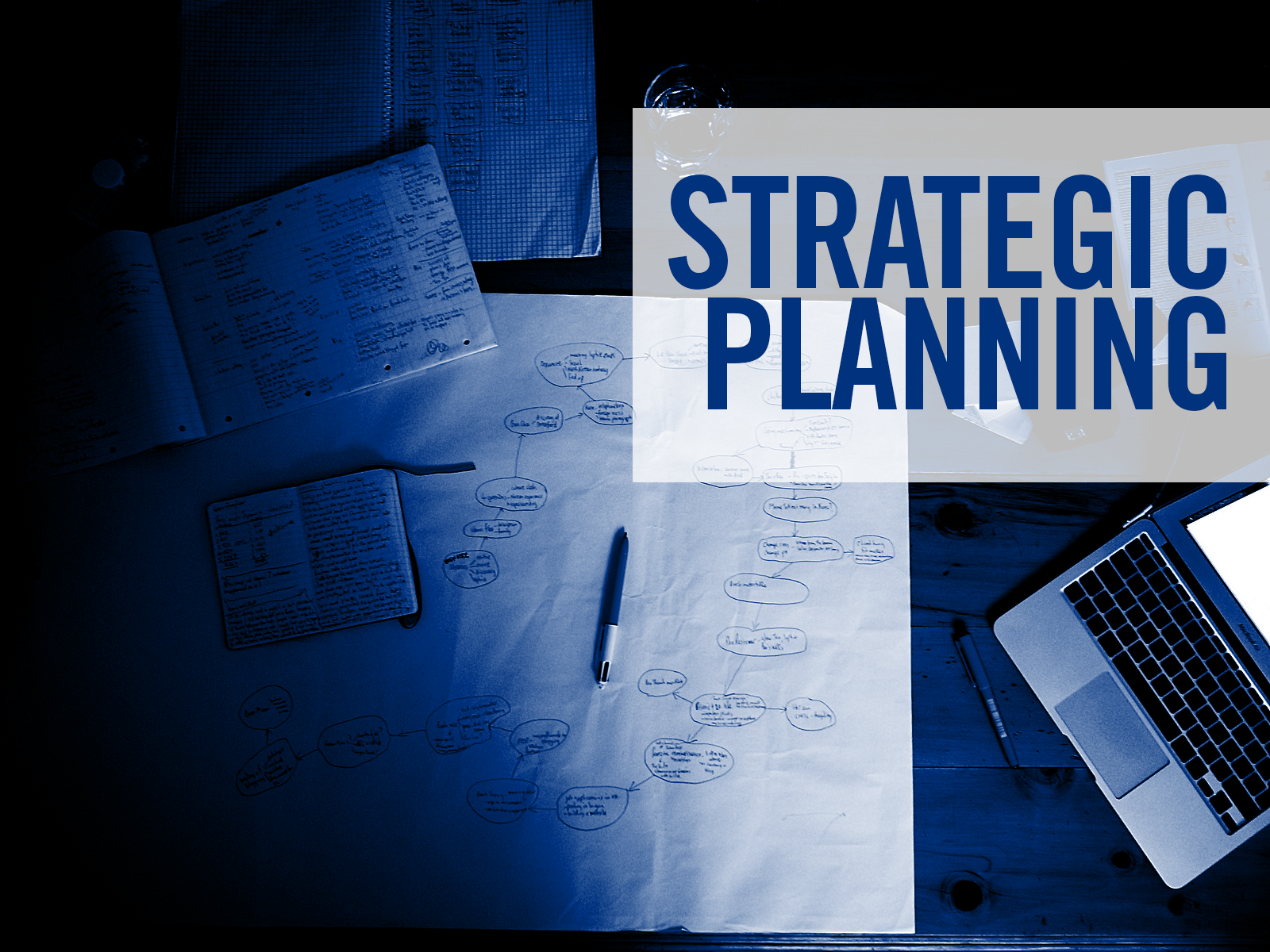
Strategic Planning
Strategic planning consultancy for public institutions, private companies, universities, NGOs and development organizations, covering strategic plan development, review, implementation frameworks, performance indicators and institutional roadmaps.
Explore Service →
Research & Surveys
Research and survey evidence can strengthen situational analysis, stakeholder assessment and evidence-based strategic decision-making.
Explore Service →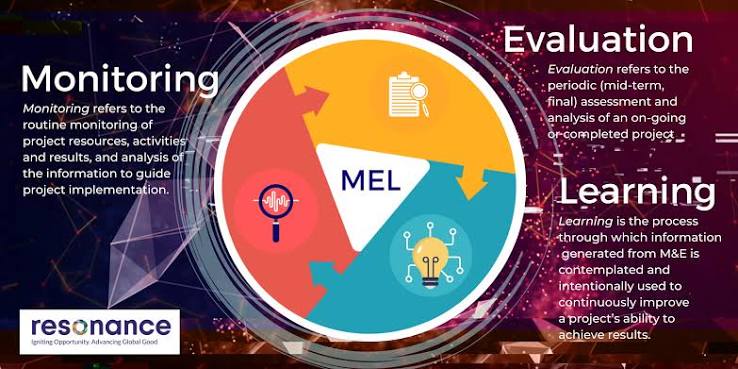
Monitoring, Evaluation & Learning (MEL)
M&E and MEL frameworks help translate strategic objectives into measurable indicators, results, performance monitoring and institutional learning.
Explore Service →
Policy Development & Institutional Frameworks
Policy and institutional framework development can support the governance, procedures and institutional arrangements required to implement strategic priorities.
Explore Service →
Business Planning & Organizational Development
Business planning and organizational development can support growth initiatives, institutional strengthening and organizational changes arising from strategic priorities.
Explore Service →
Capacity Building and Training
Capacity building helps leadership and staff develop the knowledge, skills and institutional capabilities required to implement strategy effectively.
Explore Service →