
Data Analytics & Artificial Intelligence
Transforming organizational data into actionable insights through statistical analysis, business intelligence, dashboards, predictive analytics, machine learning and responsible AI-enabled decision support.
Service Overview
Global Signature Consultancy provides data analytics and artificial intelligence consulting services to organizations seeking to transform data into reliable insights, stronger performance intelligence and better-informed decisions.
We support public institutions, private companies, universities, NGOs, development organizations and other institutions with statistical analysis, business intelligence, data visualization, executive dashboards, predictive analytics, machine learning and AI-enabled decision support.
Our work begins with the organizational problem and the decisions that need to be improved. We assess available data, data quality, systems, analytical requirements and institutional capacity before recommending an appropriate analytical or artificial intelligence approach. Depending on the assignment, this may range from descriptive and diagnostic analysis to forecasting, predictive modelling, machine learning or AI readiness and adoption support.
GSC emphasizes practical implementation rather than technology for its own sake. Analytical outputs are designed to be understandable, useful and aligned with organizational priorities, while considering data quality, privacy, security, model performance, explainability, fairness and responsible use of artificial intelligence.
The objective is to help organizations make greater use of their existing data, identify patterns and emerging risks, improve reporting and forecasting, strengthen evidence-based management and develop sustainable internal capacity for data-driven decision-making.
Data Analytics and Business Intelligence
Organizations often collect substantial amounts of operational, financial, customer, programme or performance data without fully converting it into useful management information. Data analytics and business intelligence help transform these records into structured insights that support planning, monitoring and decision-making.
Global Signature Consultancy supports organizations to examine their existing data, identify meaningful indicators, analyze performance trends and develop reporting approaches that make information easier for management and other decision-makers to understand and use.
Depending on organizational requirements, the work may include data preparation, exploratory analysis, performance analytics, business intelligence, management dashboards and visualization of key indicators. The objective is to move beyond static reporting toward timely, evidence-based understanding of organizational performance.
- Data quality and analytical readiness assessment
- Data cleaning, integration and preparation
- Exploratory and descriptive data analysis
- Performance indicators and management analytics
- Business intelligence reporting
- Executive and operational dashboards
- Trend analysis and performance visualization
- Management information and decision support
Statistical Analysis and Data Visualization
Statistical analysis helps organizations move beyond simple counts and summaries to understand patterns, relationships, differences and factors associated with organizational or programme outcomes.
GSC applies appropriate statistical methods according to the nature of the data, analytical questions and decisions being supported. This may include descriptive analysis, comparative analysis, association testing, regression analysis, segmentation and other quantitative techniques where relevant.
Findings are translated into clear tables, charts, visualizations and management interpretations so that technical analysis can be understood and used by decision-makers. The emphasis is on analytical validity, practical interpretation and communication of evidence rather than producing statistical outputs without organizational meaning.
- Descriptive and comparative statistical analysis
- Trend and pattern analysis
- Relationship and association analysis
- Regression and explanatory analysis
- Segmentation and comparative profiling
- Performance and outcome analysis
- Data visualization and analytical reporting
- Management interpretation of statistical findings
Predictive Analytics and Forecasting
Predictive analytics uses historical and current data to estimate future outcomes, identify emerging patterns and support forward-looking organizational decisions.
GSC supports organizations to determine whether available data can be used reliably for forecasting or predictive analysis and to select methods appropriate to the problem being addressed. Applications may include demand forecasting, performance prediction, risk identification, resource planning, customer or stakeholder analysis and other evidence-based planning requirements.
Predictive outputs are evaluated not only for technical performance but also for their usefulness in the organizational context. Assumptions, limitations and uncertainty are communicated clearly so that forecasts and predictions support informed judgment rather than replace managerial decision-making.
- Forecasting and trend projection
- Predictive modelling
- Risk and probability estimation
- Demand and resource forecasting
- Performance prediction
- Customer and stakeholder analytics
- Scenario and forward-looking analysis
- Model performance and uncertainty assessment
Machine Learning and Artificial Intelligence Solutions
Machine learning and artificial intelligence can help organizations identify complex patterns, classify information, generate predictions, automate selected analytical tasks and strengthen decision support where conventional analysis may be insufficient.
GSC supports organizations to identify appropriate AI and machine learning use cases based on genuine organizational needs, available data and expected value. The choice of technique depends on the problem, data characteristics, implementation environment and level of explainability required.
Where machine learning is appropriate, the work may involve data preparation, feature development, model selection, training, evaluation, validation and interpretation. The emphasis remains on developing solutions that are useful, explainable and proportionate to the organization’s needs rather than adopting artificial intelligence simply because the technology is available.
- Machine learning use-case assessment
- Classification and predictive modelling
- Feature engineering and model development
- Model training and performance evaluation
- Risk scoring and analytical models
- Text and unstructured data analysis
- AI-enabled analytical decision support
- Model deployment and operationalization support
AI Strategy, Readiness and Responsible AI
Organizations considering artificial intelligence need to understand not only what AI can do, but whether they have the data, governance, skills, infrastructure and institutional readiness required to use it effectively and responsibly.
GSC supports organizations to assess potential AI use cases, existing data and technology capabilities, governance requirements, implementation risks and internal capacity before significant investment or adoption decisions are made.
Responsible AI considerations are incorporated into the advisory process, including data quality, privacy, security, transparency, explainability, fairness, human oversight and accountability. The objective is to help organizations adopt artificial intelligence in a controlled and practical manner that supports institutional goals and responsible decision-making.
- AI readiness assessment
- AI use-case identification and prioritization
- Data and technology readiness
- AI governance and accountability
- Privacy and data protection considerations
- Model fairness and responsible use
- Human oversight and explainability
- AI adoption roadmap and institutional capacity
Model Validation, Explainability and Decision Support
Analytical and artificial intelligence models should be evaluated before they are relied upon for important organizational decisions. High technical accuracy alone does not guarantee that a model is reliable, understandable, fair or appropriate for operational use.
GSC supports model evaluation and validation by examining performance measures, prediction errors, robustness, practical usefulness and, where relevant, potential bias across different groups or categories. Appropriate explainability approaches can also be used to help decision-makers understand the factors influencing model outputs.
The results can be incorporated into dashboards, analytical reports or decision-support tools that present evidence in a form suitable for management use. This helps organizations maintain human oversight and make informed decisions based on both analytical evidence and institutional judgment.
- Model performance evaluation
- Prediction error and reliability assessment
- Model validation and robustness testing
- Bias and fairness assessment where applicable
- Model explainability and interpretation
- Decision-support dashboards and reporting
- Management interpretation of model outputs
- Human oversight and responsible decision-making
Our Methodology
- Define the organizational problem, analytical questions and decisions to be supported
- Assess available datasets, information systems, data quality and analytical readiness
- Clean, integrate, structure and prepare relevant data
- Conduct exploratory, descriptive and statistical analysis
- Identify meaningful variables, patterns, relationships and performance indicators
- Select analytical, forecasting, predictive or machine learning approaches appropriate to the problem
- Develop and evaluate analytical models, forecasts or decision-support outputs
- Assess model performance, explainability, fairness and practical usefulness where applicable
- Design dashboards, visualizations or decision-support interfaces where required
- Validate findings and analytical outputs with relevant users and stakeholders
- Document the solution, communicate findings and strengthen client capacity for continued use
Benefits to Your Organization
- Faster and better-informed organizational decisions
- Improved visibility of performance, trends and emerging issues
- Greater value from existing organizational data
- More reliable reporting and management information
- Earlier identification of risks, opportunities and performance gaps
- Improved forecasting and planning
- Reduced manual analysis and reporting workload
- Stronger resource allocation and operational decision-making
- Improved monitoring, accountability and performance management
- Practical and responsible adoption of artificial intelligence
- Stronger internal capacity for data-driven decision-making
Typical Deliverables
- Data and Analytics Needs Assessment
- Data Audit and Quality Assessment Report
- Cleaned and Integrated Analytical Dataset
- Exploratory Data Analysis Report
- Statistical Analysis and Findings Report
- Business Intelligence Dashboard
- Data Visualization and Management Reporting Framework
- Forecasting or Predictive Analytics Model
- Machine Learning Model where appropriate
- Model Performance, Validation and Explainability Report
- AI Readiness Assessment
- AI Strategy or Adoption Roadmap where required
- Decision-Support Framework or Analytical Tool
- Technical and User Documentation
- Management and Executive Presentation
- User Training and Knowledge Transfer
Related Expertise
Explore complementary GSC services that can strengthen this assignment and support wider institutional outcomes.




Related Consultancy Engagements
Explore selected projects connected to this service area.

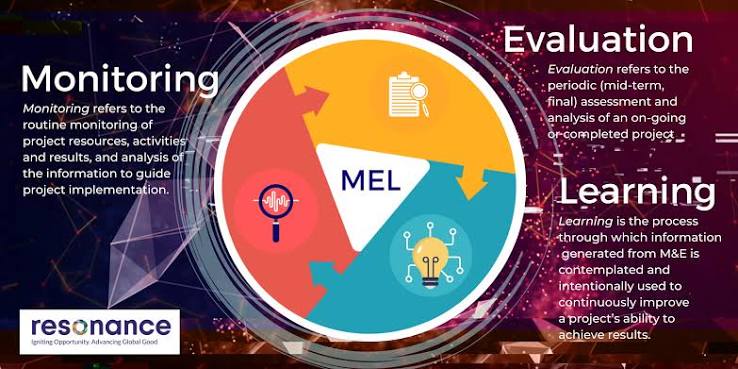
National Council for Children’s Services (NCCS) Training Needs Assessment & Capacity Development Framework
Global Signature Consultancy supported the National Council for Children’s Services (NCCS) in undertaking a comprehensive Training Need...
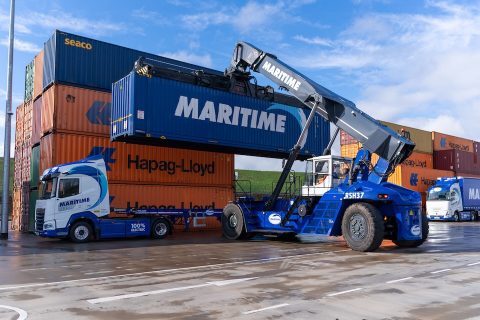
FOCUS Container Freight Station Strategic Plan 2027–2031
Global Signature Consultancy is supporting FOCUS Container Freight Station in the development of its Strategic Plan 2027–2031 through a...
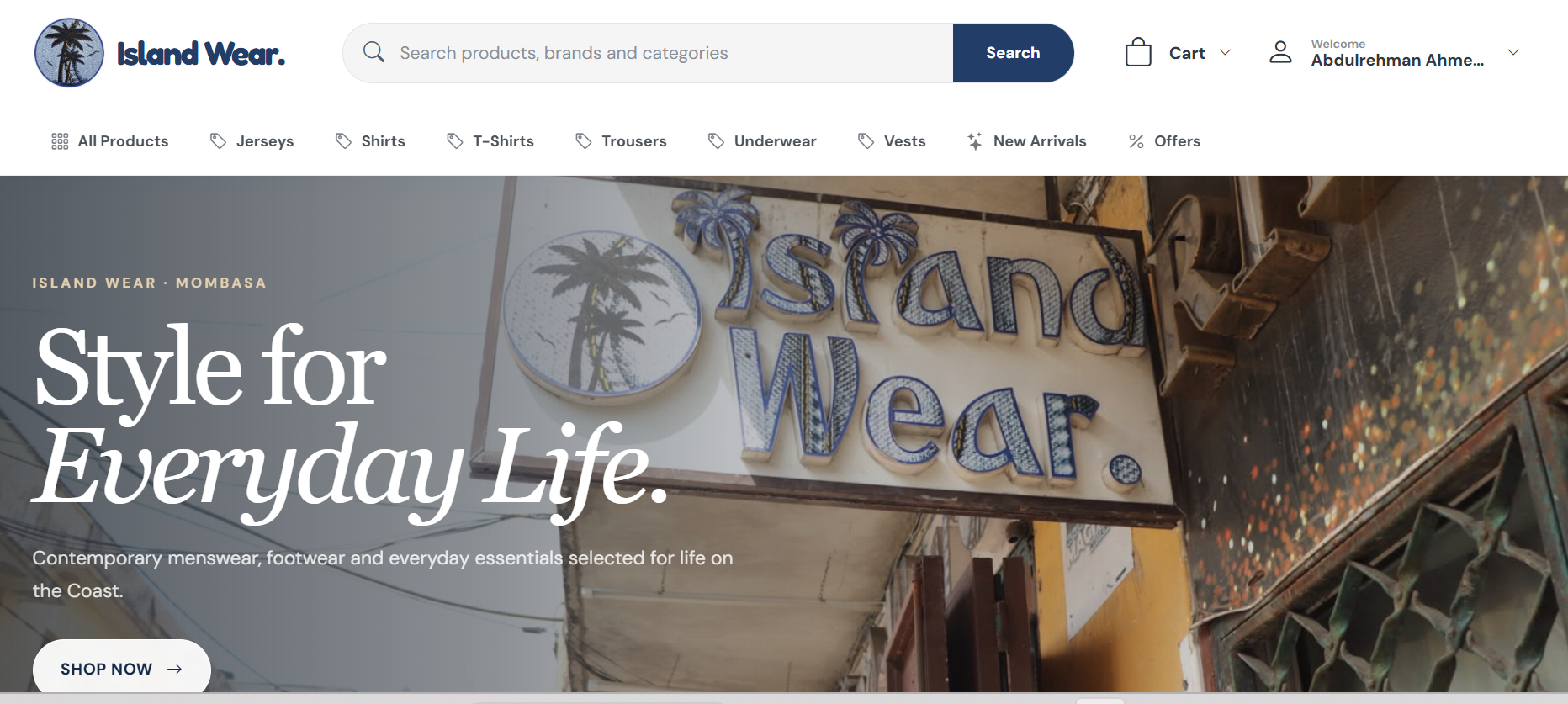
Island Wear E-Commerce & Inventory Management System
Global Signature Consultancy designed an integrated e-commerce and inventory management system for Island Wear to support the company's...
Frequently Asked Questions
Answers to common questions about Data Analytics & Artificial Intelligence.
What does a data analytics consultant do?
What is the difference between data analytics and business intelligence?
What is predictive analytics?
How can artificial intelligence help an organization?
How do we know if our organization is ready for AI?
What is responsible AI?
Do all data analytics projects require machine learning or artificial intelligence?
Ready to Turn Your Data into Better Decisions?
Discuss your data analytics, business intelligence, predictive modelling, machine learning or responsible AI requirements with Global Signature Consultancy.
Discuss Your Data & AI Requirements