
Research & Surveys
Providing rigorous research and survey consultancy, including research design, sampling, data collection, baseline studies, needs assessments, satisfaction surveys and evidence-based analysis for organizational decision-making.
Service Overview
Global Signature Consultancy provides professional research and survey consultancy services to organizations that require reliable evidence for planning, policy, programme design, service improvement and informed decision-making.
We support public institutions, private companies, universities, NGOs, development organizations and other institutions with research design, survey methodology, sampling, questionnaire development, qualitative and quantitative data collection, baseline studies, needs assessments, customer and stakeholder satisfaction surveys, institutional studies and mixed-methods research.
Our approach begins by defining the research problem, objectives, questions, target population and intended use of the findings. We then develop an appropriate methodology, sampling approach, data-collection instruments and analysis plan that reflect the nature of the assignment and the quality of evidence required.
GSC combines quantitative and qualitative research methods where appropriate. Depending on the study, data may be collected through structured surveys, interviews, focus group discussions, document review, observation or other suitable methods. Quality assurance is incorporated throughout instrument development, fieldwork, data management, analysis and reporting.
The objective is to produce credible, clearly presented and decision-relevant evidence that helps organizations understand stakeholder needs, establish baselines, assess perceptions and experiences, identify patterns and priorities, and make better-informed institutional decisions.
Research Design and Methodology
A credible research study begins with a clear understanding of the problem being investigated, the decisions the evidence is expected to support and the most appropriate methods for answering the research questions.
Global Signature Consultancy supports organizations to translate research needs into structured study designs. This includes defining research objectives and questions, identifying appropriate sources of evidence, selecting quantitative, qualitative or mixed-methods approaches and establishing practical procedures for data collection and analysis.
The methodology is designed according to the purpose of the assignment, target population, available evidence, operational environment, required level of precision and intended use of the findings. This provides a defensible foundation for collecting and interpreting evidence.
- Research problem and objective definition
- Research questions and analytical framework
- Quantitative research design
- Qualitative research design
- Mixed-methods research
- Desk review and secondary evidence
- Data-collection strategy
- Research analysis plan
Survey Design, Sampling and Data Collection
Survey findings are only as reliable as the design of the study, the suitability of the sample and the quality of the data collected. Poorly designed questionnaires or inappropriate sampling can produce results that do not adequately represent the population or answer the intended research questions.
GSC supports organizations with questionnaire development, sampling design, sample size determination, participant selection and fieldwork planning. Sampling approaches are selected according to the target population, research objectives, available sampling information and required level of representation.
Data collection may involve structured questionnaires, interviews, focus group discussions, observation, document review or a combination of methods. Quality assurance procedures are incorporated into instrument design, fieldwork supervision, data checking and preparation to strengthen the reliability and usability of the resulting evidence.
- Survey questionnaire development
- Sampling frame assessment
- Sample size determination
- Probability and non-probability sampling where appropriate
- Participant selection procedures
- Key informant interviews
- Focus group discussions
- Fieldwork planning and quality assurance
Baseline, Midline and Endline Studies
Baseline, midline and endline studies provide structured evidence at different stages of an intervention, programme or institutional initiative. When designed consistently, they can help organizations understand starting conditions and examine how circumstances or measured characteristics change over time.
GSC supports the research components of baseline, midline and endline studies, including study design, sampling, instrument development, primary data collection, data management, analysis and reporting.
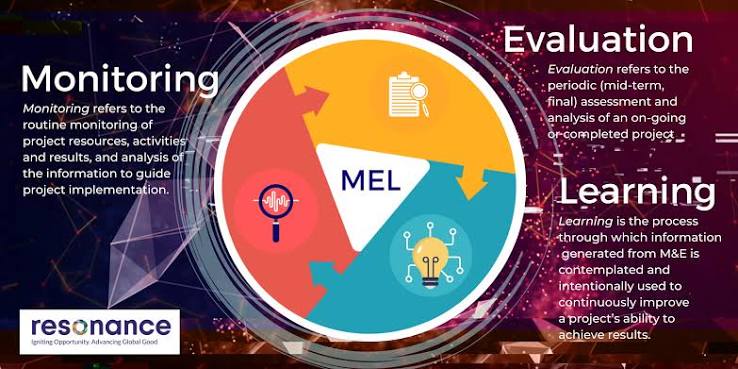
Particular attention is given to methodological consistency, indicator definitions where supplied by the programme or evaluation framework, comparability of measurements and documentation of the study approach. Where an assignment requires the design of a wider monitoring, evaluation and learning framework or formal programme evaluation, that specialist requirement is addressed through GSC’s Monitoring, Evaluation & Learning service.
- Baseline study design
- Midline data collection and analysis
- Endline data collection and analysis
- Sampling and participant selection
- Research instrument development
- Primary data collection
- Comparative analysis across study rounds
- Study findings and reporting
Customer and Stakeholder Satisfaction Surveys
Customer and stakeholder satisfaction surveys help organizations understand how their services, interactions and institutional performance are experienced by the people and organizations they serve.
Global Signature Consultancy supports the design and implementation of satisfaction studies for customers, employees, partners, beneficiaries, members and other stakeholder groups. The study can examine areas such as service quality, accessibility, responsiveness, communication, timeliness, stakeholder experience and overall satisfaction according to the organization’s objectives.
Findings are analyzed to identify satisfaction patterns, strengths, service gaps and priority areas for improvement. Results are presented in a form that enables management to understand stakeholder perspectives and translate evidence into practical service-improvement decisions.
- Customer satisfaction surveys
- Stakeholder perception surveys
- Employee or internal stakeholder surveys
- Beneficiary experience surveys
- Service-quality assessment
- Satisfaction indicators and scoring
- Segment and comparative analysis
- Service-improvement recommendations
Needs Assessments and Institutional Research
Organizations frequently need structured evidence before designing services, programmes, interventions or institutional improvements. A needs assessment helps establish the nature, scale and priority of identified needs rather than relying only on assumptions or anecdotal information.
GSC conducts needs assessments and institutional research using appropriate quantitative and qualitative methods. Depending on the assignment, evidence may be gathered from service users, staff, communities, partners, sector stakeholders, organizational records and existing studies.
The analysis identifies needs, gaps, stakeholder priorities, constraints and relevant contextual factors. Findings provide an evidence base that can inform programme design, resource prioritization, service improvement, policy development, strategic planning or other institutional decisions.
- Needs assessment design
- Stakeholder needs analysis
- Service and institutional gap analysis
- Community and beneficiary research
- Organizational research
- Stakeholder consultation
- Priority identification and analysis
- Evidence-based recommendations
Research Data Analysis, Interpretation and Reporting
Research becomes useful to decision-makers when collected data is systematically analyzed, interpreted in context and communicated clearly. Reporting should explain what the evidence shows, what limitations should be considered and what the findings mean for the organization.
GSC supports quantitative, qualitative and mixed-methods analysis according to the research design and nature of the evidence collected. Quantitative analysis may include descriptive statistics, comparisons, relationships and other appropriate statistical techniques, while qualitative evidence may be coded and organized into themes, perspectives and recurring findings.
The analysis is translated into clear tables, charts, narrative findings, conclusions and practical recommendations. Where more advanced predictive modelling, machine learning or specialized business intelligence is required, the assignment can connect with GSC’s Data Analytics & Artificial Intelligence expertise.
- Data cleaning and preparation
- Descriptive statistical analysis
- Comparative and relationship analysis
- Qualitative coding and thematic analysis
- Mixed-methods evidence integration
- Tables, charts and research visualization
- Interpretation of research findings
- Conclusions and actionable recommendations
Our Methodology
- Define the research problem, purpose, objectives and intended use of findings
- Review relevant documents, existing evidence and contextual information
- Develop the research questions, methodology and study design
- Define the target population, sampling frame and appropriate sampling approach
- Determine sample size and participant selection procedures
- Design questionnaires, interview guides, focus group guides and other data-collection instruments
- Pilot and refine research instruments where appropriate
- Plan and conduct quantitative and qualitative data collection
- Apply fieldwork supervision, quality assurance and data-management procedures
- Clean, code, organize and prepare collected data for analysis
- Conduct statistical, qualitative or mixed-methods analysis as appropriate
- Interpret findings in relation to the research objectives and organizational context
- Validate key findings with relevant stakeholders where required
- Prepare the research report, recommendations and management presentation
Benefits to Your Organization
- Reliable evidence for organizational planning and decision-making
- Better understanding of customer, stakeholder and beneficiary needs
- Improved understanding of perceptions, experiences and satisfaction levels
- Evidence-based identification of institutional priorities and service gaps
- Stronger baseline information for future planning and comparison
- More representative findings through appropriate sampling and research design
- Improved quality and consistency of primary data
- Integration of quantitative and qualitative evidence where appropriate
- Clear identification of patterns, relationships and emerging issues
- Stronger basis for policy, programme and service-design decisions
- Independent and structured analysis of organizational questions
- Actionable findings and recommendations for management and stakeholders
Typical Deliverables
- Research Inception Report and Work Plan
- Research Protocol or Study Design
- Desk Review and Evidence Review
- Sampling Framework and Sample Size Determination
- Survey Questionnaire
- Key Informant Interview Guide
- Focus Group Discussion Guide
- Other Research Instruments where required
- Pilot Testing and Instrument Refinement Report
- Fieldwork and Data-Collection Plan
- Cleaned and Structured Research Dataset
- Data Quality and Fieldwork Documentation
- Statistical Analysis Outputs
- Qualitative Analysis and Thematic Findings
- Research Findings Report
- Baseline Study Report where applicable
- Needs Assessment Report where applicable
- Customer or Stakeholder Satisfaction Survey Report where applicable
- Management Recommendations
- Stakeholder Validation Presentation
- Final Research Report
- Executive and Management Presentation
Related Expertise
Explore complementary GSC services that can strengthen this assignment and support wider institutional outcomes.



Related Consultancy Engagements
Explore selected projects connected to this service area.

National Council for Children’s Services (NCCS) Training Needs Assessment & Capacity Development Framework
Global Signature Consultancy supported the National Council for Children’s Services (NCCS) in undertaking a comprehensive Training Need...

FOCUS Container Freight Station Strategic Plan 2027–2031
Global Signature Consultancy is supporting FOCUS Container Freight Station in the development of its Strategic Plan 2027–2031 through a...

Peer Review of Theological Narratives for Countering Extremism and Radicalization
Global Signature Consultancy expertise contributed to the peer review of research and knowledge materials developed for the African Cou...
Frequently Asked Questions
Answers to common questions about Research & Surveys.
What does a research consultant do?
What is a baseline survey?
How is sample size determined for a survey?
What is the difference between quantitative and qualitative research?
What is a needs assessment?
How do you ensure the quality of survey data?
What is the difference between research and monitoring and evaluation?
Planning a Research Study or Survey?
Discuss your research, baseline study, needs assessment, satisfaction survey, sampling, data collection or institutional research requirements with Global Signature Consultancy.
Request a Research or Survey Proposal